Wheeled robotAges 8+
Makeblock mBot Neo
- Coding
- Block coding (Scratch-based)
- Setup
- Under 15 minutes
The most forgiving robot we lend. Good first contact with robotics.
Adult supervision required. Small parts.
A lending library for classroom robots
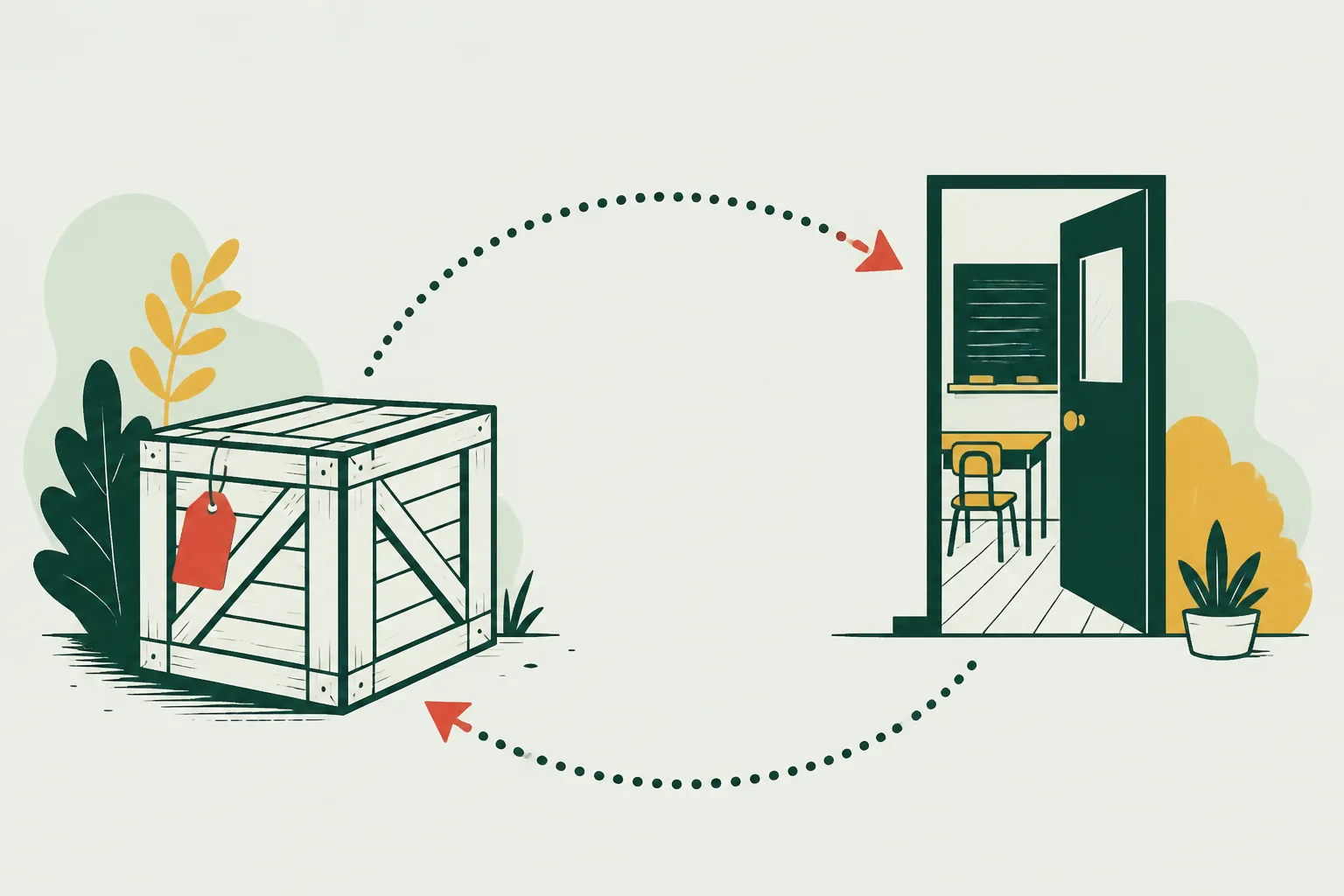
Classroom robots cost thousands to buy and date in a few years. Borrow one for a week, a month, or a term instead. It arrives in a hard case, you teach with it, and a prepaid label sends it home.
Every loan ships both ways. Nothing on this page books a robot — a person reads your request and replies within one business day. Rather talk it through? 1-888-512-7747.

Why a library.
A robot a school buys has to earn its place for years. A robot a school borrows only has to work for the unit you are teaching.
A platform that works in one classroom may not work in yours. Borrow it for a unit of work and find out before anyone signs a purchase order.
A competition season, a capstone, a two-week unit. A loan matches the way the equipment actually gets used, and frees the budget the rest of the year.
It goes back between loans. Firmware, batteries, worn treads, and the screws that always go missing are our problem, not your storeroom's.
The catalogue.
Every card carries the age range, the setup time, and the supervision the unit requires. Those are the three things that decide whether a robot fits your room, so they are on the front of the card rather than in a footnote.
Grades K–5
Something moves in the first ten minutes. Block coding, no typing required.
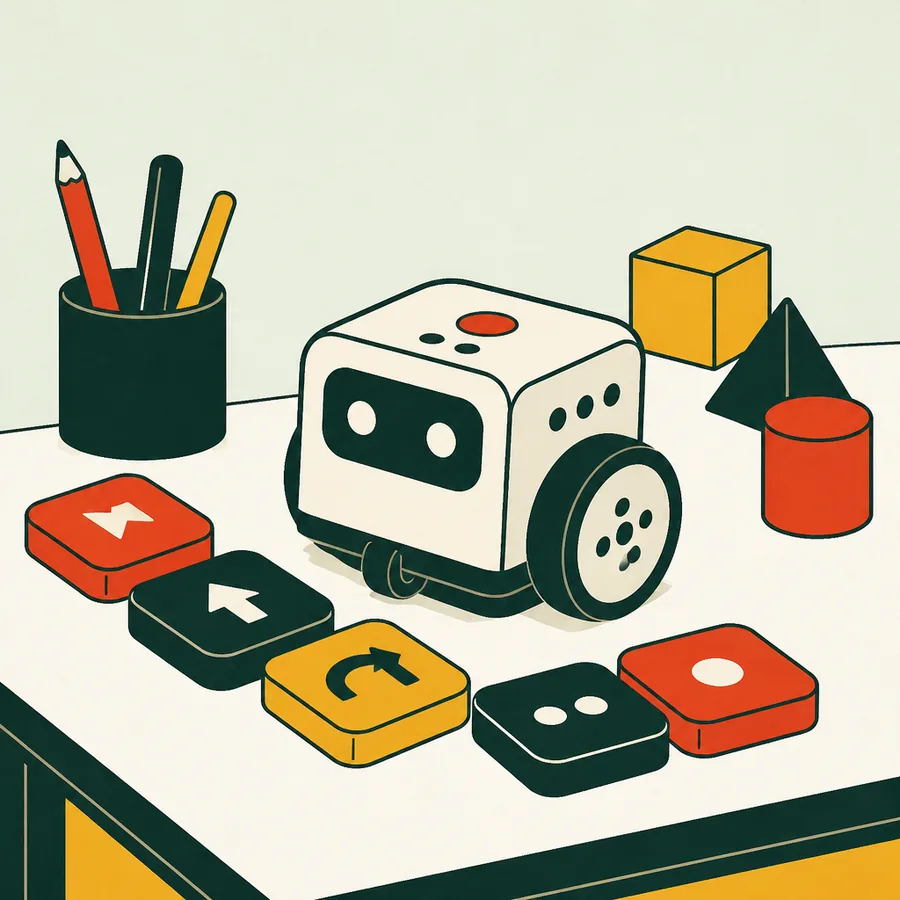
Wheeled robotAges 8+
The most forgiving robot we lend. Good first contact with robotics.
Adult supervision required. Small parts.
Build-and-code kitAges 6+
Building is half the lesson. Pairs well with a literacy or story unit.
Adult supervision required. Small parts.
Grades 6–8
Where blocks turn into real code, and where competition teams usually start.
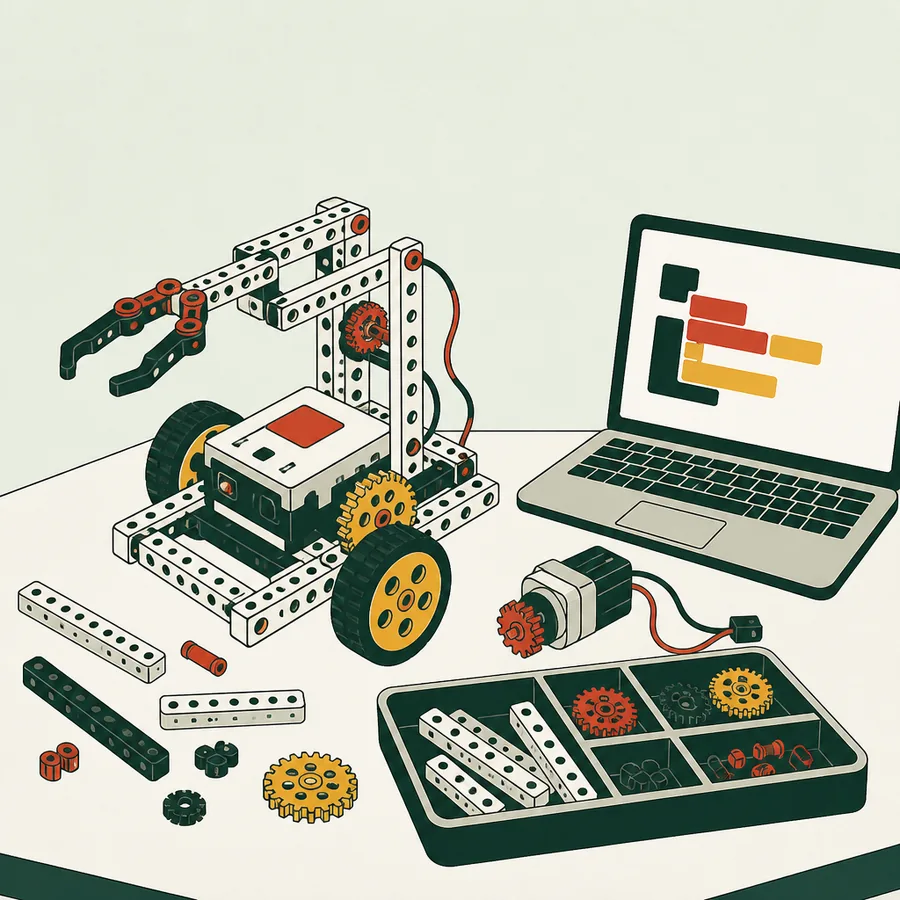
Build-and-code kitAges 10+
The clearest on-ramp from block coding to a written language.
Adult supervision required.
Competition platformAges 10+
Borrow before you commit a season. Competition-legal parts.
Adult supervision required.
Grades 9–12, dual-enrolment
Research-grade platforms for capstones — the equipment a school cannot justify buying.
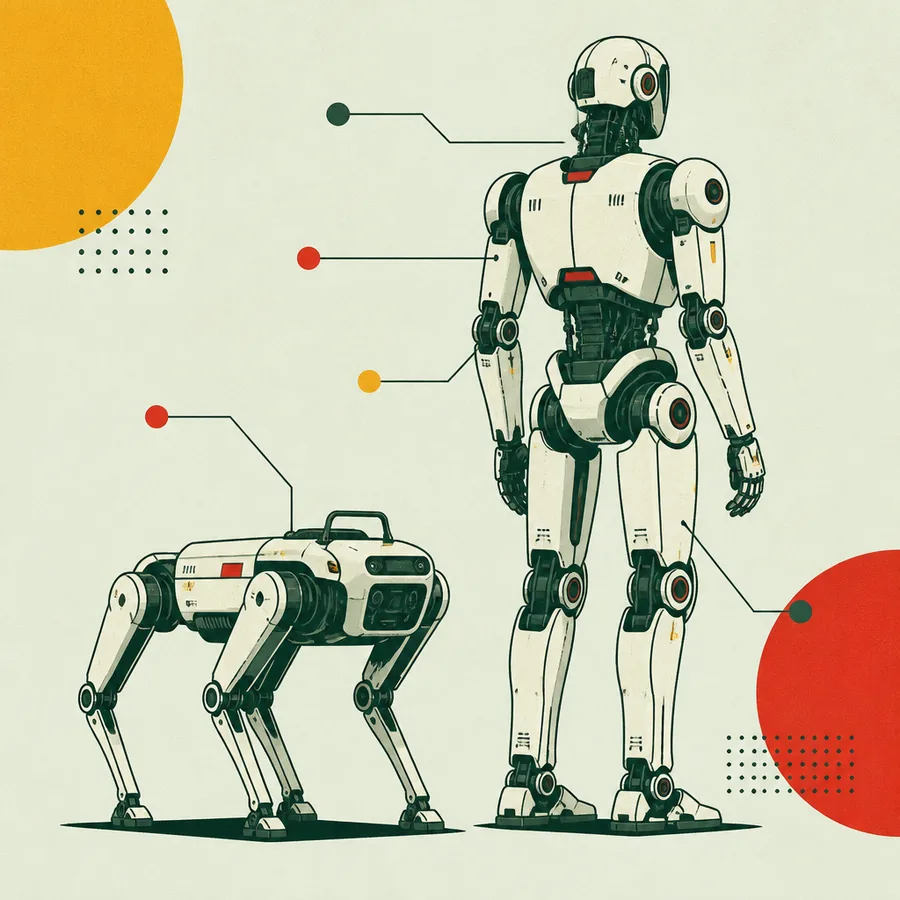
QuadrupedAges 14+
The one students film. Genuinely fast — treat the floor space seriously.
Continuous adult supervision required. Keep a clear operating area.
HumanoidAges 12+
The most widely used teaching humanoid. Strong for interaction projects.
Adult supervision required.
Full-size humanoidAges 16+
Our largest unit at 25 kg. Capstone and showcase work only.
Continuous adult supervision required. Not for unsupervised student operation.
How a loan works.
Loans run from one week to about eighteen — roughly a term. Extensions are usually fine if nobody is waiting on the unit.
Grade band, what you want students to do, and roughly when. Use the form or the chat, whichever is faster. You do not need to know which robot you want.
Usually within one business day. It names the unit, the loan dates, the shipping both ways, and the damage cap, so there is nothing left to discover later.
We invoice against a PO on standard net terms. No card, and no teacher paying out of pocket and chasing a reimbursement. This is usually the step that decides your start date, so start it early.
About a week after the PO clears. Sometimes three days if we are holding stock, though we will not promise that until we have checked.
The return label is already in the case. Repack, seal, hand it over, and tell us what broke. Fair wear is never charged for.
What ships with it.
This is equipment lending. No instructor travels with the unit and no one from our side is in the room, so everything you need to run it safely has to be in the case — and it is.
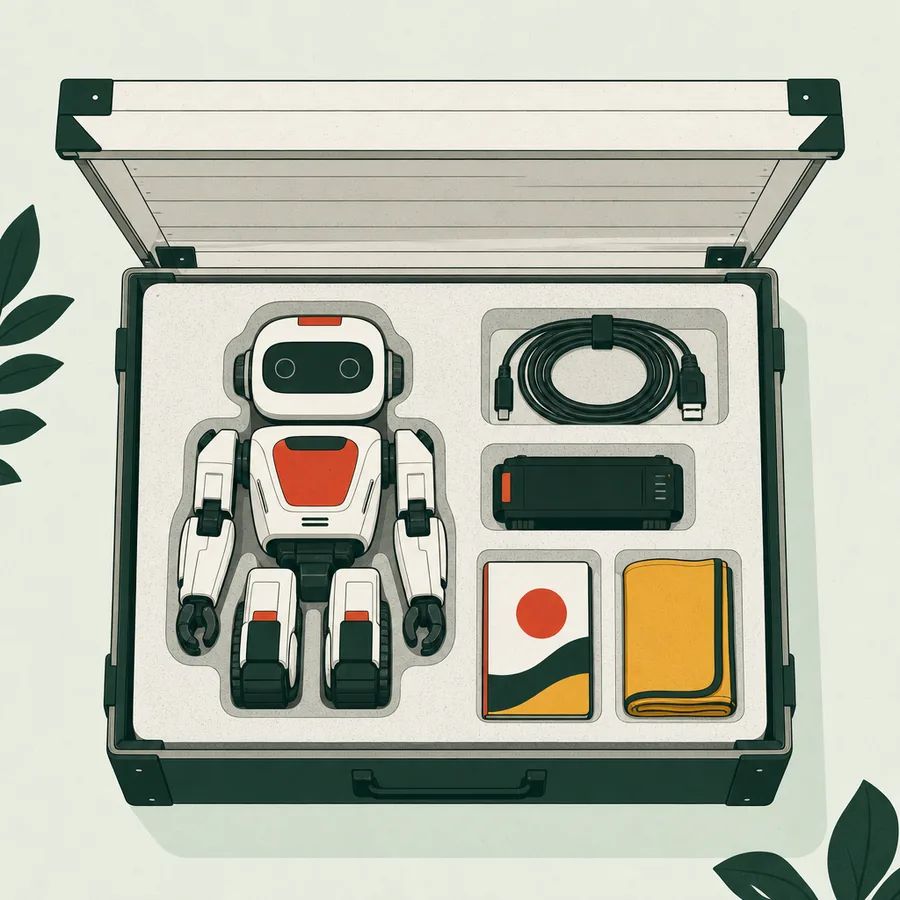
The robot, its charger and spare battery, cables, common spare parts, and a cleaning cloth — each in its own foam cut-out, so you can see at a glance whether anything is missing before you send it back.

Setup, safe use, what to do if it falls, and how to power it down — on paper, because school wifi fails on exactly the day you need it. Email support runs for the length of the loan.
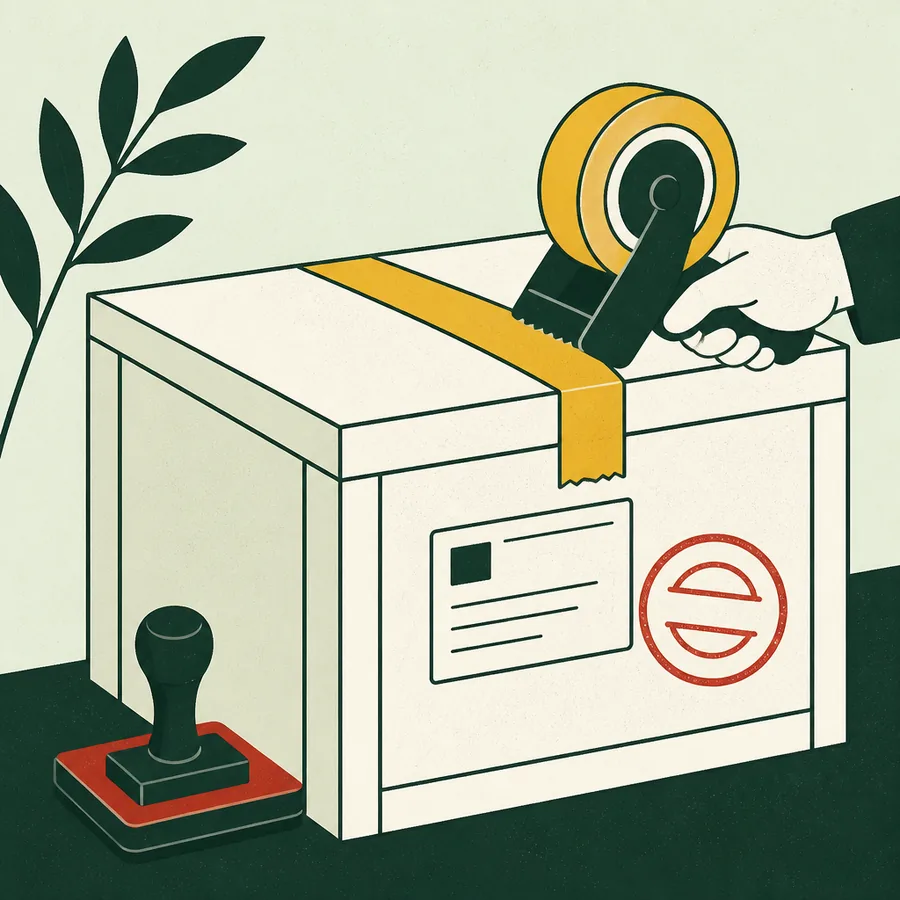
Prepaid and in the lid. There is nothing to arrange at the end of a loan and no account to set up — which matters when the loan ends the week school does.
Loan terms.
These are on this page rather than in an attachment because they are the questions a business office asks first.
No robot we lend is designed to be left alone with students. Supervision requirements are printed on every catalogue card and in the guide that ships with the unit.
Scuffs, worn treads, and lost screws are normal and never charged for. We ask that you tell us what happened so the next school gets a working unit.
If something serious breaks, your liability is capped at a fixed amount stated on your quote before you commit. No open-ended exposure.
We invoice against a PO on standard net terms. No card required, and no personal spending by teachers.
Nothing we ship phones home with student information, and this site only ever asks for staff contact details. Robots are wiped between loans.
Pricing.
A wheeled robot for a fortnight and a class set of humanoids for a term are not the same transaction, and a published rate would be wrong for both.
Tell us those four things and you get a written quote, usually within one business day, with shipping both ways and the damage cap already on it.
Ask for a quote.
This sends your request to a person. It does not reserve a robot or hold a date — someone reads it and replies within one business day.
Prefer to talk? Call 1-888-512-7747 and tell us what you are teaching. Same result: a written quote, one business day.
Received
Reference . Keep it for your records — quote a reference and we can find your request instantly.
Nothing is booked or held. Someone reads this and replies within one business day with a written quote, or with a question if we need one thing more.
Need to add something? Reply to the confirmation, or write to hello@lendingrobots.com.